Everything to know about permeable paving
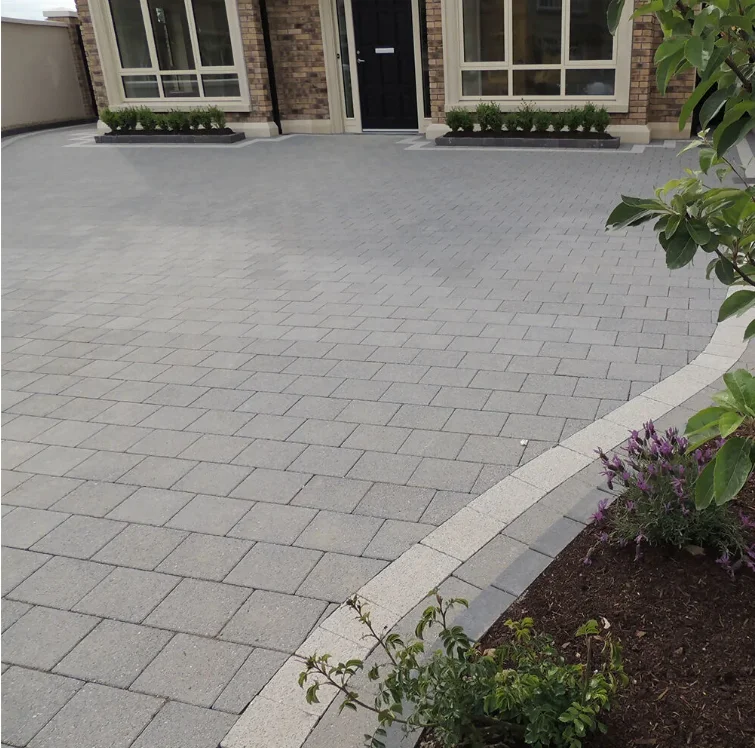
A lot of homeowners in the UK are now turning to permeable paving to brighten up their front paths and gardens or to create a stylish patio.
Why is that? Besides coming in so many styles, permeable paving is a much more practical option for UK weather, and it doesn’t break the bank! Today, we’ll walk you through what permeable paving is and what it can do for your home, so you can enjoy the benefits.
What is permeable paving?
Permeable paving is paving that is designed to allow rainwater to absorb into the surface rather than causing runoff, preventing pooling or floods, especially in areas where the ground naturally dips inwards.
Rather than sitting on top of the pavement, rainwater is absorbed through the paving and into the ground below, which is why it’s so popular for garden paths, both front and back, where good drainage is just as important as appearance.
Unlike traditional impermeable surfaces, such as standard concrete or tarmac, permeable paving is a type of hard landscaping with small gaps that allow water to flow through.
Depending on the type of paving used, water may pass through these small gaps between blocks, through gravel, through a porous surface, or into a reinforced grid system filled with grass or stone.
How does permeable paving work?
Permeable paving works by allowing rainwater to move through the surface and into the layers below, rather than collecting on the surface or flowing quickly into the street.
Besides the paving itself, the surface, joints, bedding layer, and sub-base work together to control how water drains away, reducing puddles, waterlogging, and pressure on drainage systems during heavy rainfall.
Once the water passes through the top layer, it reaches the sub-base, usually an open-graded aggregate that creates small spaces where rainwater can temporarily pool before gradually draining away.
From there, the water may soak naturally into the ground, move slowly into the surrounding soil, or be directed towards a suitable drainage feature, such as a soakaway, rain garden, or drainage channel.
Where can you use permeable paving?
One of the best things about permeable paving is that it’s so versatile and works with a lot of different styles of homes and gardens.
However, you’ll mostly find it installed where rainwater is likely to pool, as it helps water drain away safely rather than sit on the surface or run straight into the road or down a drain.
Since it comes in so many different designs, you can find something that blends perfectly with a traditional garden patio or a modern lounge area. Here are some of the easiest ways you can incorporate permeable paving into your home:
- Driveways: for this, permeable block paving, resin-bound paving, or reinforced gravel grids work best.
- Front gardens: front garden paving needs to allow water to drain naturally or be directed to a permeable area, so the right surface can help avoid drainage issues.
- Paths and walkways: gravel, permeable slabs, block paving, or stepping stones with free-draining joints can all help create a stable rainwater route through a garden.
- Parking areas: reinforced gravel grids, permeable block paving, and porous asphalt can all be used, depending on the level of traffic and the look you’re aiming for.
- Patios: a permeable patio can be a great option for gardens that struggle with standing water after heavy rain, helping protect surrounding beds and borders from excess runoff.
What are the main types of permeable paving?
There are so many different types of permeable paving out there that you can use for your own garden project.
Of course, the best option will depend on where it’s being used, the look you want to achieve, and how much traffic the surface needs to handle, so weigh up all your options carefully.
Permeable Block Paving
One of the most popular choices for driveways and front gardens, this is a smart option for a modern home, providing the structured profile of traditional block paving with added drainage benefits.
Block paving comes in a range of colours and styles, perfect for modern and traditional homes, and it’s a very neat and uniform option for those who want something elegant.
Gravel
Gravel is one of the simplest and most naturally permeable paving options. The loose stone design allows rainwater to drain through the surface below, making it a practical choice for driveways, paths, and garden borders.
It also comes in a wide range of colours and stone sizes, so it can be used to create anything from a rustic driveway to a decorative garden path.
Resin Bound Paving
This is made by mixing natural aggregates with resin before laying the mixture as a continuous surface, so the small gaps between the stones allow water to easily pass through.
Popular for gardens and paths, it provides a smooth, clean finish for more minimalist gardens. We actually sell a range of resin-bound paving for driveways here at Beesley and fildes!
Reinforced Gravel Grids
Reinforced gravel grids are designed to hold gravel in place and create a more stable surface.
The grid structure helps prevent the gravel from spreading, sinking, or forming deep tracks, making it a good choice for driveways, parking bays, and areas that need to support vehicles.
Porous Asphalt
Porous asphalt is a more practical, hardwearing, permeable surface often used for larger driveways, private roads, parking areas and commercial spaces.
While it looks similar to standard asphalt, it’s designed with tiny voids that allow water to pass through the surface. It’s not as attractive as decorative aggregates, but it’s definitely great at draining.
Reinforced Grass Grids
Grass grids work similarly to gravel grids, but they are filled with soil and grass rather than stone.
A lot of people use them for driveways when they want to create a cleaner, softer look or keep things natural. They’re also a great eco-friendly alternative that doesn’t cost too much.
What are the benefits of permeable paving?
Are you wondering if permeable paving works as well as it’s meant to? It’s only natural to ponder whether it’s actually worth it to swap from your old paving, but it comes with more benefits than you think!
Here are all the ways permeable paving can completely turn your garden or front path into a practical, safe space:
1. It helps reduce surface water
One of the biggest advantages of permeable paving is that it allows rainwater to drain through the surface rather than collect on top, preventing flooding and pooling.
That way, you don’t have to worry during high rainfall, and it reduces puddles and slippery pavements, making driveways, paths, and patios easier and safer to use after wet weather.
2. It can improve drainage in driveways
Driveways need extra special care when it comes to pavement choices, as they not only deal with wet weather but also large vehicles constantly.
A properly installed permeable driveway can help manage rainwater more effectively by allowing it to pass into the sub-base and drain away gradually.
3. It reduces pressure on drains
Traditional impermeable surfaces can send water quickly into roads, gullies and drainage systems, causing backflow.
By installing permeable paving instead, you can slow this process down by allowing rainwater to soak through the surface and drain away more gradually, putting less pressure on local drainage systems.
4. It can help meet planning requirements
Homeowners need to think about where rainwater will go once a front garden has been paved over.
Using a permeable surface or directing water to a permeable area such as a lawn, border, or soakaway can help make a project more straightforward from a drainage and planning point of view, meeting local council requirements.
5. It can help protect surrounding areas
When rainwater runs off a hard surface too quickly, it can wash soil, mulch, or debris into other parts of the garden, ruining the design.
It may also cause water to gather near walls, thresholds, or neighbouring boundaries. A permeable surface can help manage this by slowing water down and allowing it to drain more naturally, so you don’t run into any issues down the road.
6. It’s a long-term practical investment
Although some permeable paving systems may cost more upfront than basic non-permeable options, they can be a sensible long-term choice.
Better drainage, reduced puddling, and improved usability can all make an outdoor space easier to live with, so you don’t have to fork out more money on repairs later on.
Find the right materials for your permeable paving project!
So, permeable paving is a smart way to create a driveway, path, or patio that looks good while helping rainwater drain more naturally.
At Beesley & Fildes, we can help you find the right paving, aggregates, and landscaping materials for the job, whether you’re updating a driveway or planning a more practical garden path.
Explore our landscaping and paving range online or visit your local Beesley & Fildes branch today.